Introduction
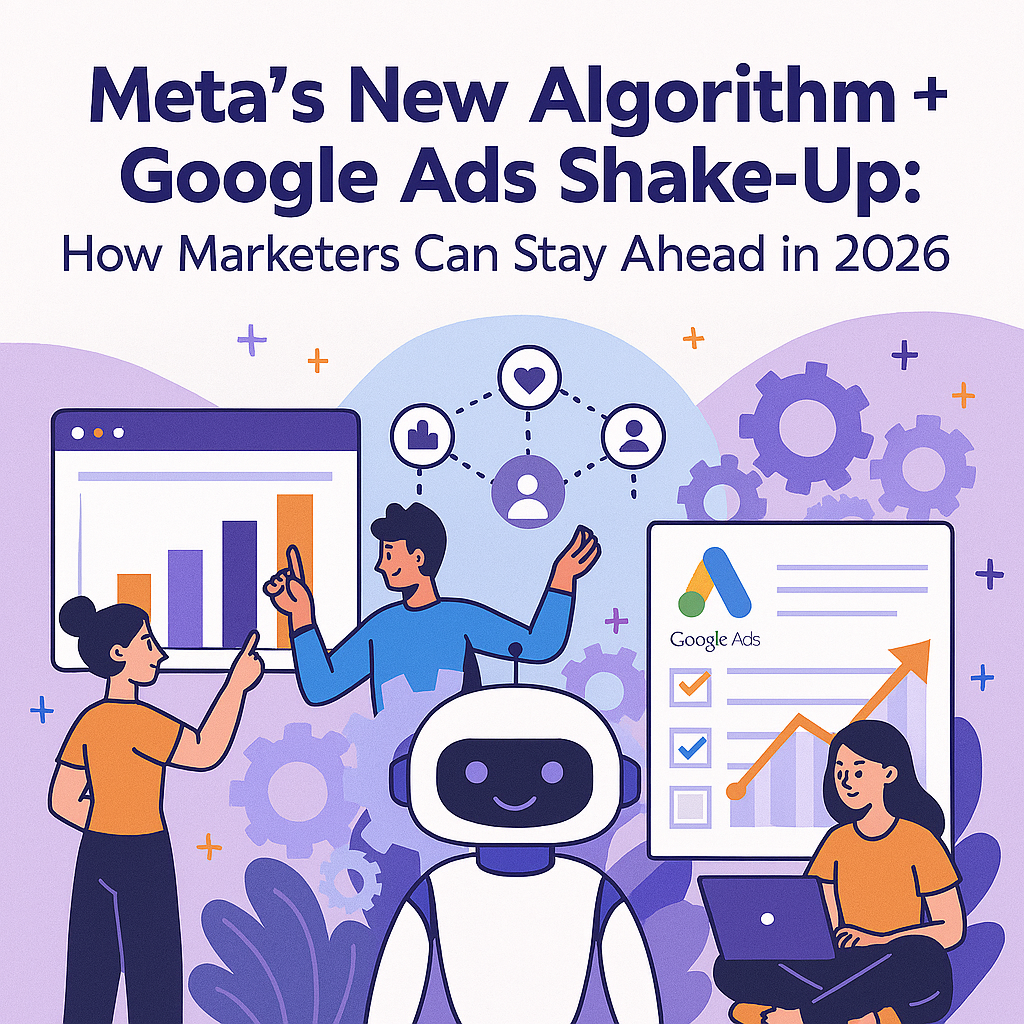
In 2026, the digital marketing landscape has undergone significant change. Google and Meta have both significantly changed how ads and algorithms work, which has forced marketers to reevaluate their strategies. Instead of just changing visibility, these changes rethink how marketers interact with audiences.
So what exactly happened? More importantly, how can businesses stay ahead of the competition? Let’s analyze it.
The Rise of AI-Driven Marketing Algorithms
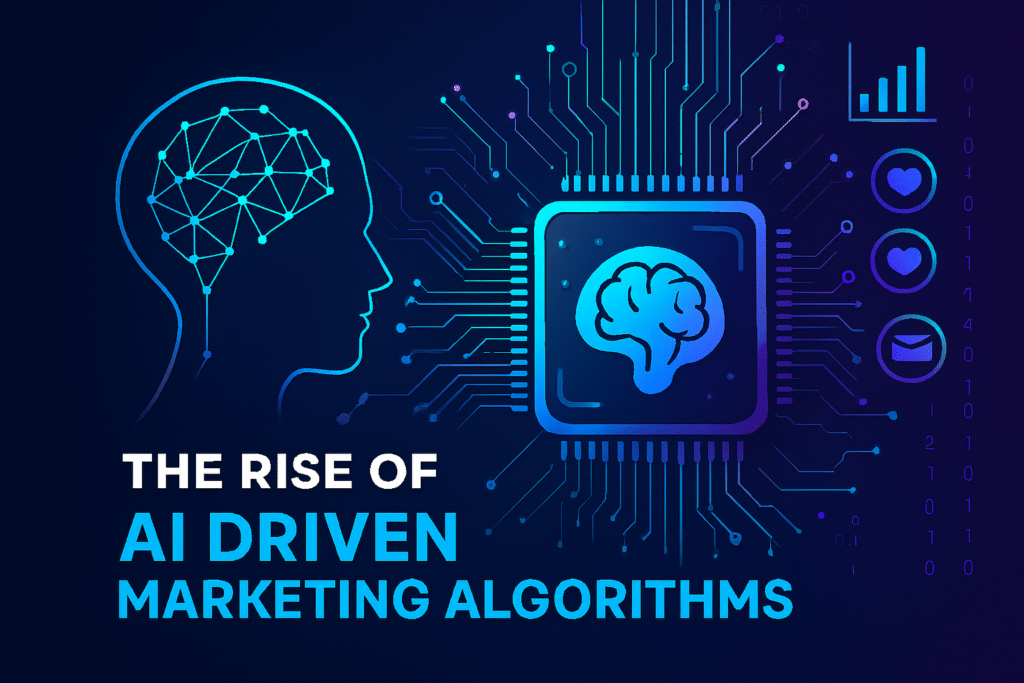
Artificial intelligence is no longer a futuristic concept—it’s the present and the powerhouse of today’s advertising world
How AI Is Redefining Digital Advertising
AI is changing the rules by analyzing behavior, preferences, and behaviors in real time. It predicts what customers want before they even know it. With the use of this data, brands can create tailored campaigns that increase conversion rates while cutting down on unnecessary advertising expenditures.
The Importance of Data Accuracy and Personalization
Success in 2026 will depend on one thing: high-quality data. The data that AI uses to learn determines its quality. Marketers are able to provide hyper-personalized experiences that consumers genuinely value because to accurate, consent-based data
Meta’s 2026 Algorithm Update Explained
What Changed in Meta’s Algorithm
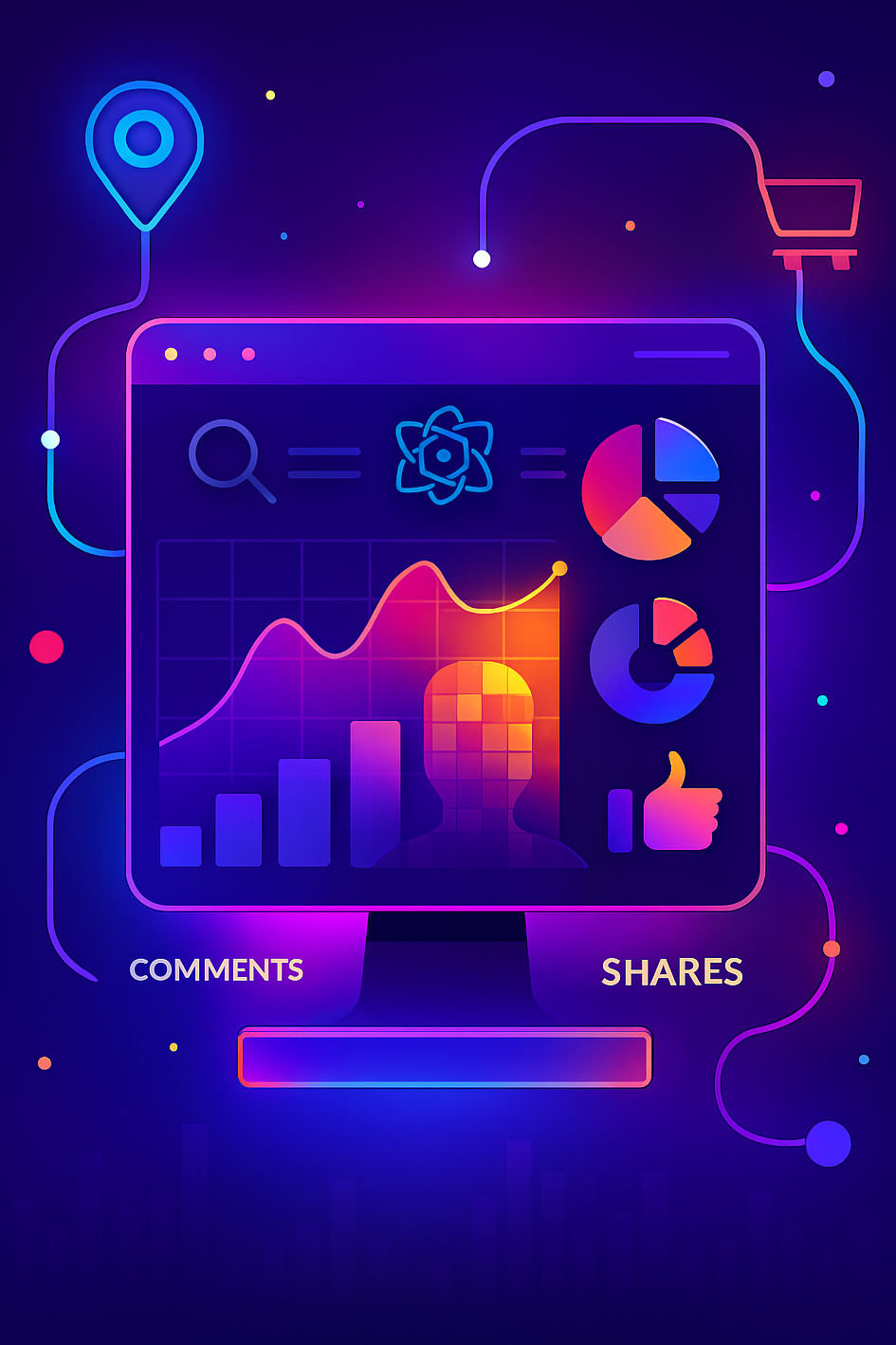
Predictive engagement, a model that aims to predict which posts a user is most likely to interact with meaningfully—through meaningful comments, saves, and shares—has become the platform’s new paradigm.
Impact on Organic Reach and Ad Performance
Clickbait and generic posts have become less prevalent. Brands are becoming more visible when they establish communities and produce real, conversation-starting content. Now, rather than just counting clicks, ads are assessed on how users interact with them after they click
Understanding Meta’s Shift to Predictive Engagement
Meta’s algorithm has become more sophisticated in understanding intent.
How Meta Uses Behavioral Data and Signals
To determine what matters to users, the system watches innumerable micro-interactions, such as scrolls, pauses, and replays. Each movement turns into a signal that determines the kind of content that each individual sees.
Implications for Creators and Advertisers
Nowadays, producing relatable, narrative-driven content is essential to creators’ success. Instead of chasing viral moments, advertisers should focus on building long-term trust.
The End of “Vanity Metrics”
Gone are the days when likes or follower counts determined success.
The New Metrics That Matter
These days, Meta tracks: • Save rate (engagement based on value)
• The depth of the comment (real interaction)
• Message initiation (relationship strength) • Share relevance (content resonance)
A more realistic image of user intent and satisfaction is provided by these more detailed metrics
Google Ads Shake-Up: A New Era for PPC
With the help of Gemini AI, Google Ads has experienced a significant metamorphosis that has changed the way campaigns are developed and refined.
Integration of Gemini AI in Ad Targeting
Gemini predicts which users are most likely to complete an action, such as making a purchase, signing up, or visiting, using deep learning. It focuses on results rather than just impressions.
Rise of “Outcome-Based” Bidding Strategies
Instead of aiming for superficial engagement, marketers now bid for measurable results. This model improves cost effectiveness and campaign transparency by matching ad spend with quantifiable returns
Automation, AI, and Smart Campaigns
Google’s platform is now designed to do most of the heavy lifting for you.
The Power of AI Recommendations
In order to maintain the highest possible return on investment, AI-driven tools automatically modify bids, audiences, and creatives based on ongoing performance data analysis.
Privacy and Consent-Based Advertising
User consent is now a key component of marketing strategies due to the tightening of data privacy laws around the world.
The Shift to First-Party Data Strategies
Data about their own audiences is increasingly being gathered and used by marketers. This includes loyalty programs, app engagement, and email subscriptions—all essential for delivering tailored but private advertisements
How Marketers Can Stay Ahead in 2026
Keeping pace in 2026 requires embracing change, not resisting it.
Embracing AI Tools and Automation
Repetitive tasks can be streamlined by AI platforms like Meta Advantage+ or Google’s Smart Campaigns, freeing up time for strategy and creativity.
.
Building First-Party Data Ecosystems
These days, having audience data is a competitive advantage. To compile and activate your customer insights, use analytics tools and CRM systems.
Prioritizing Authenticity and Community
Audiences today are drawn to connection. Polished, sales-focused advertisements are losing ground to compelling storytelling, open communication, and authentic brand values
Content Strategy for the New Algorithms
Storytelling has become the heart of every successful campaign.
Why Storytelling Matters
Stories are far more memorable to people than statistics. Content performs better across Meta and Google’s AI-driven systems when it feels genuine and emotionally compelling.
Optimizing Content for AI
Write organically. Steer clear of stuffing keywords. Use conversational tones and real-life examples. Content that sounds human, not robotic, is now rewarded by AI models

Ad Strategy Realignment
The era of static PPC strategies is over.
Adapting PPC Campaigns to New Metrics
Deeper signals like engagement duration, conversion probability, and multi-device behavior must now be the focus of advertisers’ optimization.
Leveraging Predictive Analytics
These days, AI dashboards can predict campaign success and tell you where to spend your next dollar to get the most return
Case Studies and Real-World Examples
Example 1: A fashion retailer that implemented Meta’s predictive engagement saw a 35% increase in sales conversions and a 60% increase in saved posts.
Example 2: By implementing outcome-based Google Ads bidding, a SaaS company was able to cut expenses by 22% and increase return on investment by almost half
Future Predictions for 2026 and Beyond
Intelligent, integrated, and interactive marketing is the way of the future. Anticipate increased cross-platform cooperation between AI systems, quicker real-time personalization, and more stringent ethical AI standards that guarantee equity and openness
Conclusion
The 2026 changes at Google and Meta point to a clear direction: marketing is becoming more AI-powered, data-smart, and human-centered. Successful brands will learn to strike a balance between clever automation and genuine storytelling, not just follow algorithms
FAQs
1. What’s the biggest change in Meta’s algorithm?
It now predicts and rewards meaningful engagement over superficial actions like likes or clicks.
2. How does Google’s AI impact small businesses?
AI simplifies ad management, helping small businesses run efficient, results-driven campaigns without massive budgets.
3. What role does first-party data play now?
It’s essential for privacy-compliant personalization and stronger customer relationships.
4. How should content creators adjust their strategy?
Focus on genuine storytelling and long-term engagement rather than quick, viral wins.5. Is SEO still relevant in an AI-driven ad world?
Yes—AI enhances SEO. Content relevance, readability, and intent now matter more than ever